Fibronexa
Fibronexa
Fibronexa
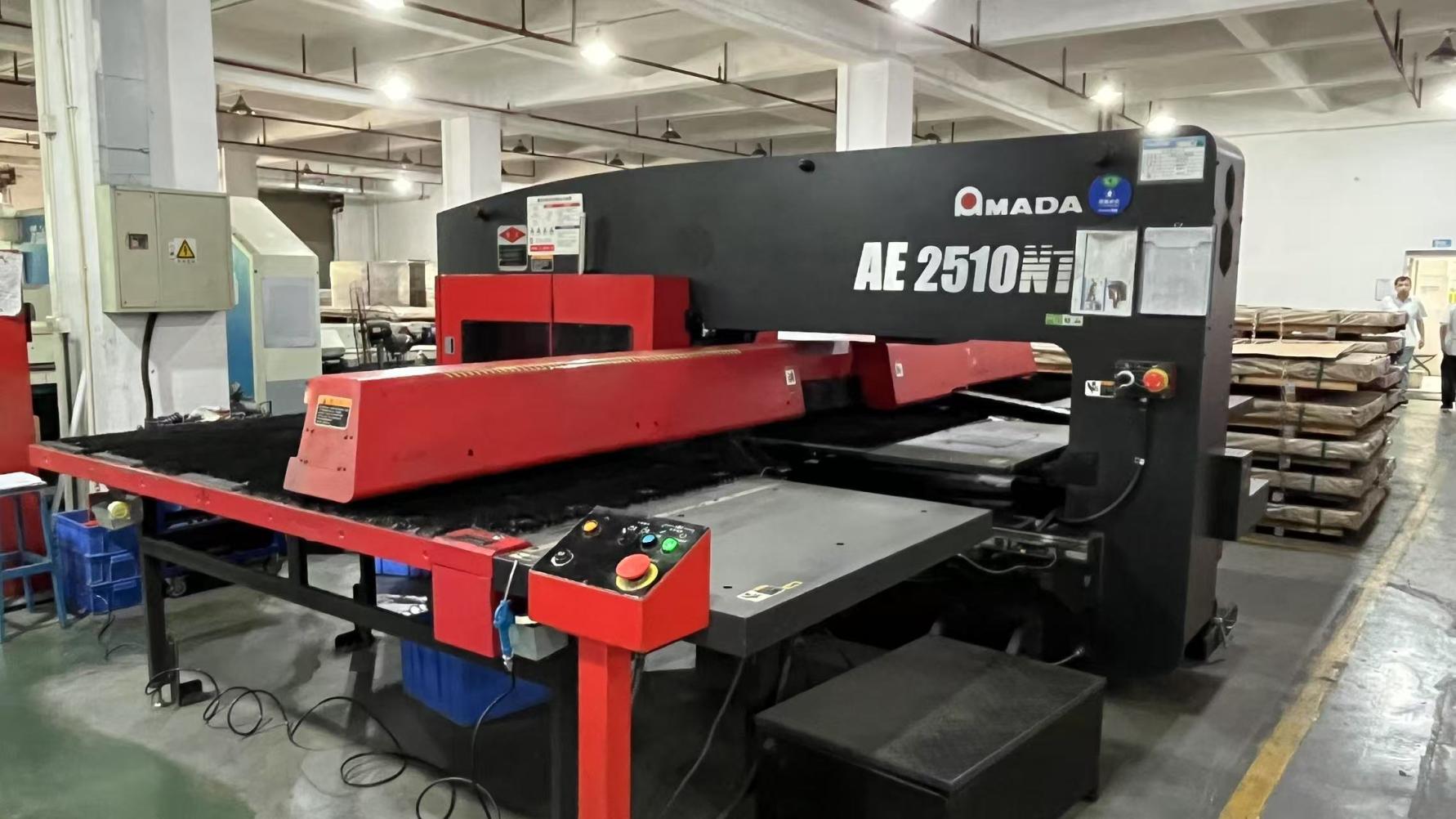
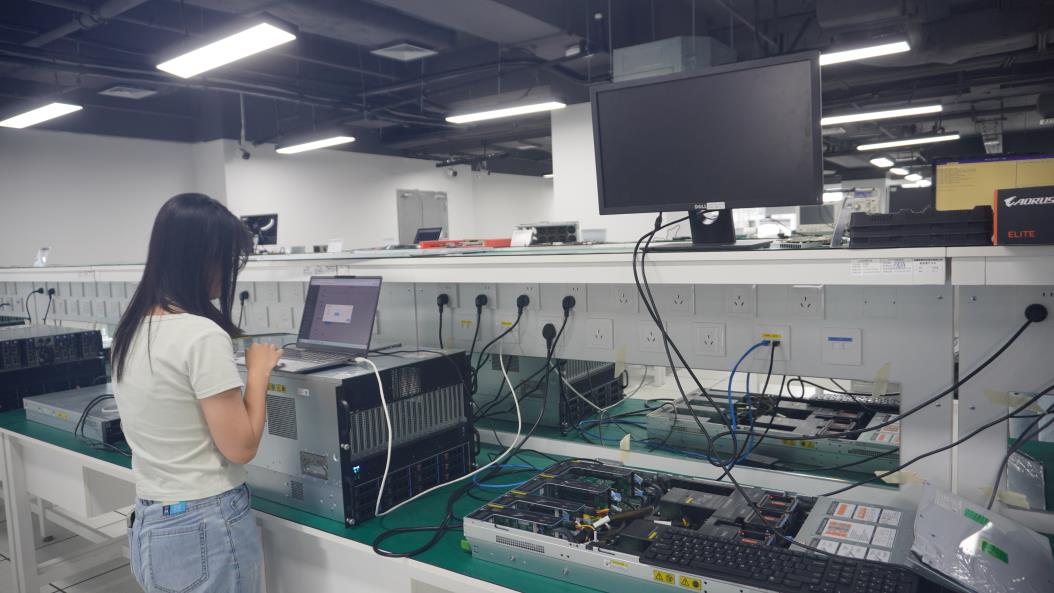
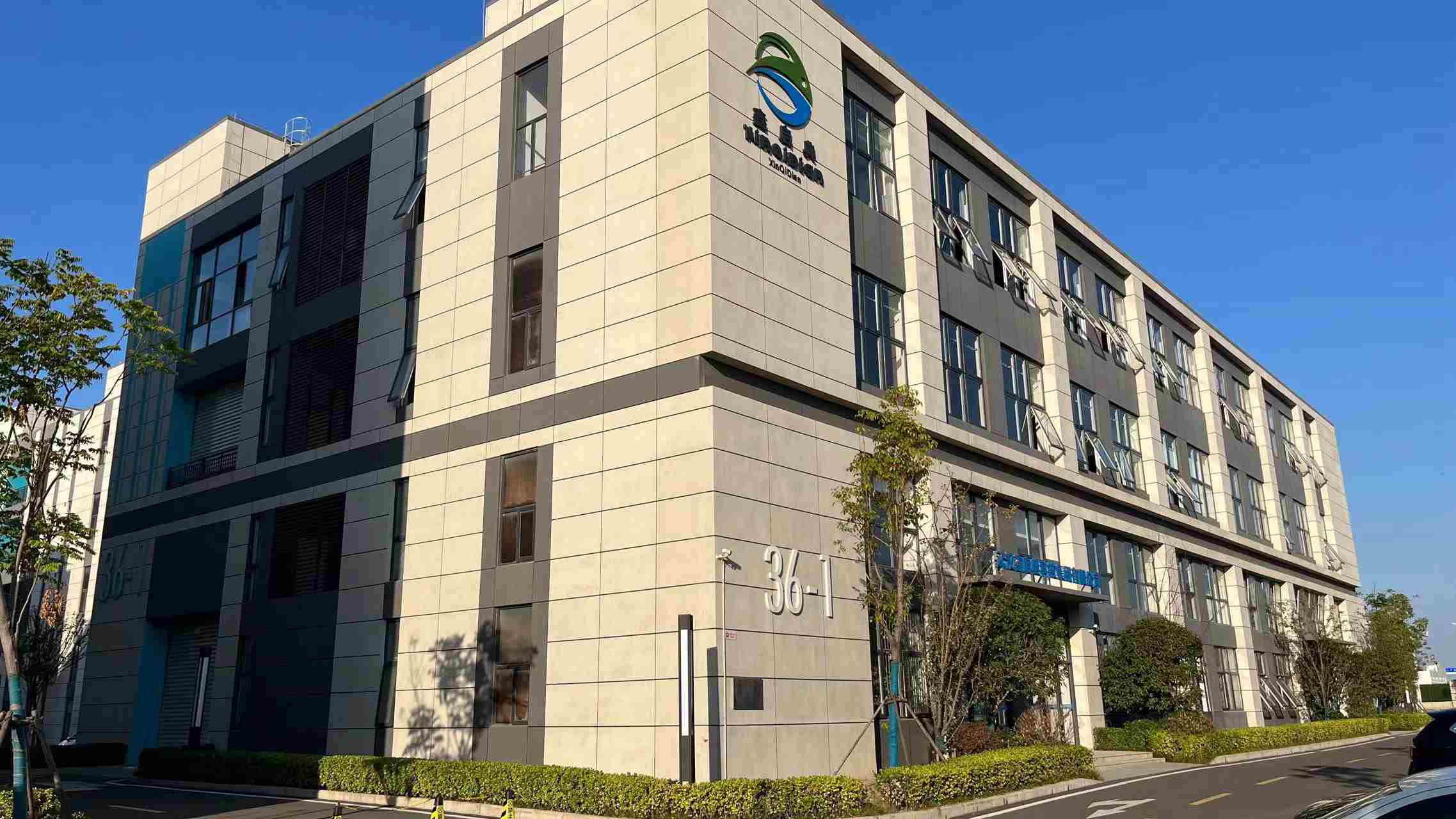
Established in 2016, Fibronexa Communications Co., Ltd. (Fibronexa Optical Transceiver Manufacturer) is a leading professional optoelectronic components manufacturer specializing in high-speed, high-density fiber optic communication systems. Our specialized modern production facility covers approximately 320㎡, acting as a center of engineering excellence where automated precision assembly lines interface with state-of-the-art diagnostic platforms. Over the past decade, we have accumulated deep industry expertise, scaling our output to achieve a stable and highly reliable manufacturing output that caters to global telecom operators and enterprise networks.
Today, Fibronexa generates an annual export revenue of around USD 12 million, supported by 6+ years of active global trade experience. Our footprint spans critical digital hubs in North America, Europe, Southeast Asia, and the Middle East. Driven by engineering-first methodologies, our facility utilizes a highly specialized workforce including an R&D division of 85 dedicated design and system engineers. Concurrently, quality is tightly managed by 45 QC professionals who perform stringent, multi-layer inspections—such as 100% optical performance metrics, 3D end-face interferometry, and environmental stress screening—to guarantee maximum signal integrity and zero operational failure.
The exponential growth of artificial intelligence, high-performance computing (HPC), and 5G cellular communication has pushed data networks to their absolute physical limits. To support the routing of zettabytes of data, physical layer connectivity has undergone massive changes. Fiber optic connectors, once simple single-channel mechanical junctions, are now complex micro-optical assemblies engineered to minimize Insertion Loss (IL) and maximize Return Loss (RL) under hyper-dense conditions.
Hyperscale data centers are moving rapidly from standard LC Duplex systems to ultra-dense connector designs such as MTP/MPO, SN, MDC, and CS interfaces. These designs allow up to 3x the fiber density per patch panel, allowing quick deployment of 400G and 800G optical architectures.
As transceiver speeds reach 1.6T and beyond, traditional pluggables encounter thermal and physical bottlenecks. Co-Packaged Optics (CPO) shift optical interfaces directly onto the silicon substrate, requiring highly specialized fiber-to-chip array connectors with very tight pitch alignments.
Optical loss budgets are tighter than ever. Tier-1 enterprise applications require Ultra Low Loss (ULL) connectors with average insertion losses under 0.1dB. Achieving this requires precise tolerances on zirconia ferrule concentricity and sub-micron positioning accuracy.
For sourcing managers, enterprise network planners, and infrastructure architects, finding reliable suppliers involves careful technical verification. The modern procurement framework goes beyond unit cost analysis, prioritizing components that ensure network durability and meet strict quality criteria:
The Chinese manufacturing landscape has evolved from low-cost assembly to high-precision automation. At Fibronexa, our manufacturing facilities integrate advanced digital control protocols, automated polishing systems, and real-time Quality Management Systems (QMS). Through this integration, we reduce human error, optimize production yields, and maintain consistency across large-volume production runs.
Our supply chain resilience is rooted in a collaborative ecosystem containing over 1,200 strategic upstream and downstream partners. This localized, deep supply network guarantees access to raw components even during global logistical disruptions. By co-locating near key raw material processors and component manufacturers, we ensure lead times are kept to a minimum and maintain the flexibility to scale production for large orders.
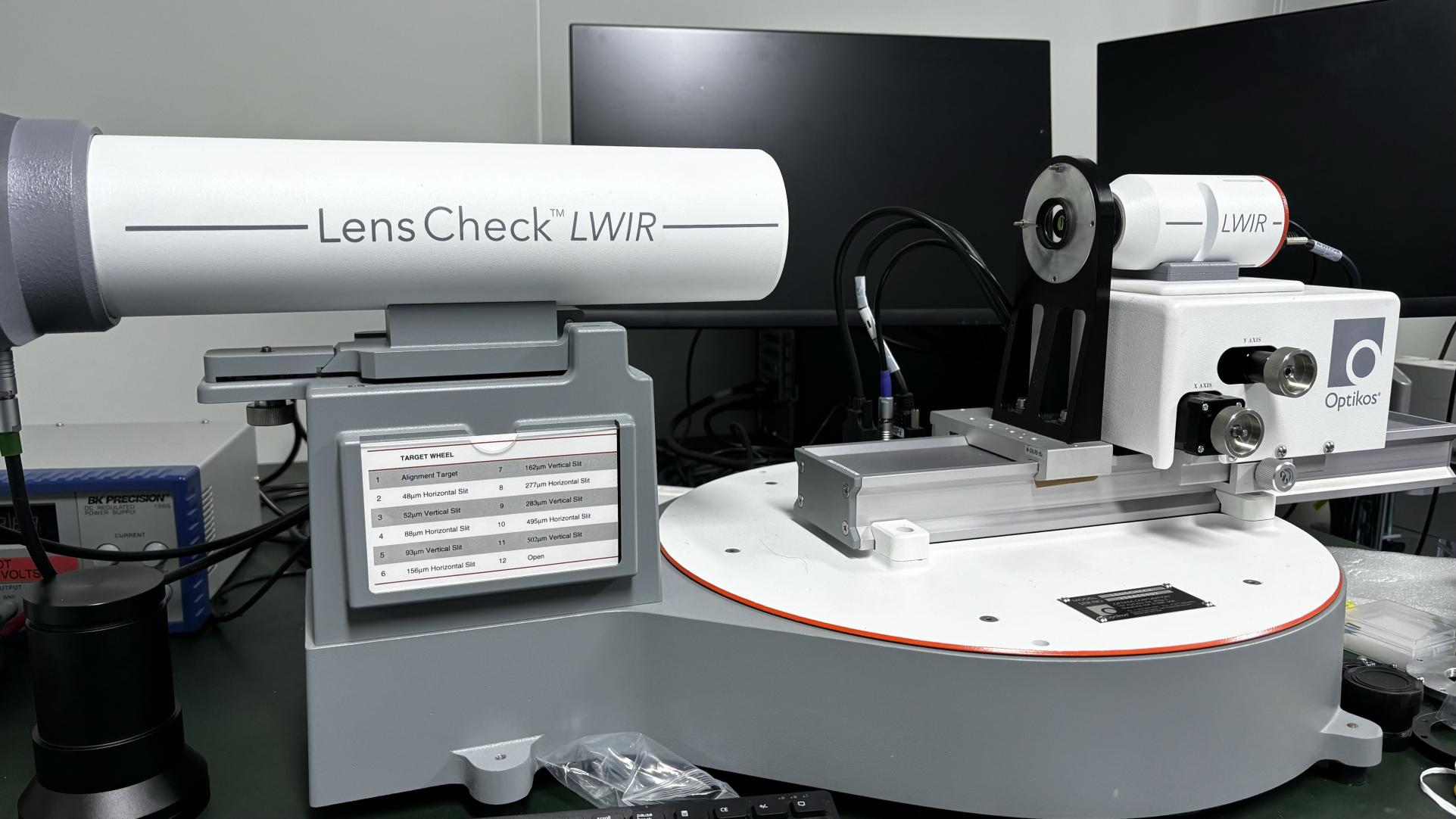
Quality assurance at Fibronexa is based on strict, standardized testing. Our facility utilizes automated 3D optical interferometry to verify that key physical parameters—including radius of curvature, fiber height, and apex offset—comply with Telcordia and IEC standards. Following polishing and inspection, every connector undergoes automated insertion loss (IL) and return loss (RL) testing at multiple wavelengths (1310nm, 1550nm, etc.). Additionally, environmental stress chambers run temperature cycling tests (-40°C to +85°C) to ensure long-term stability and reliability in diverse real-world installations.
Different network architectures require specialized fiber optic connector styles. Understanding these varied deployments is essential for selecting the right components:
Modern spine-leaf network layouts require massive parallel fiber counts to support rapid data transit. In these facilities, high-density MTP/MPO connectors and low-power optical transceivers are critical. Minimizing physical layer latency and maintaining clean fiber pathways are essential to preventing high bit-error rates (BER) in demanding machine learning workloads.
Outdoor networks require durable, weather-resistant solutions. SC/APC and LC/APC connectors with angled end-faces are typically used in these scenarios to optimize return loss (often exceeding 60dB) and protect signals from back-reflections that can damage central office laser transmitters.
Industrial sites, marine environments, and military operations demand connectors that can withstand moisture, chemical exposure, vibration, and dust. IP-rated ruggedized optical connector assemblies shield the internal glass fibers, ensuring reliable connectivity in harsh settings.
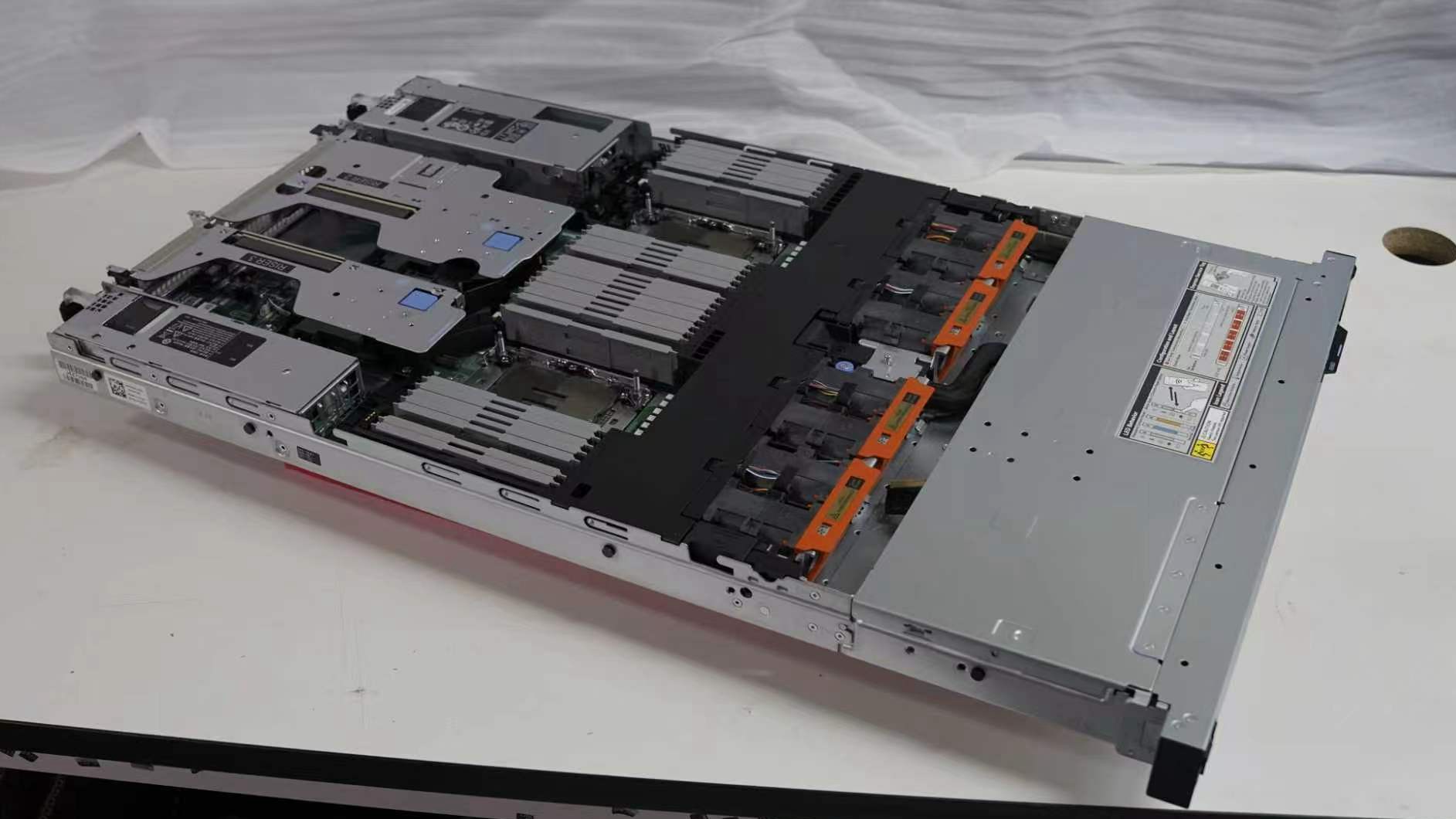
Explore our modern production floors, quality control centers, and system testing laboratories, where we process premium components to meet strict telecom and data center standards.